The trail ends at zero.
Go to Zero turns your mortgage, loans and cards into one plan with one date: the month and year you owe nothing. Move the sign to see what an extra payment does.

Debt-free in
October 2042
6 years, 9 months sooner$61,204 less interest
Illustrative example: one fictional mortgage, $214,380 at 6.125%, $1,458 a month. Dates are estimates.
One square for every month you still pay.
This is the example mortgage, month by month, from today to its last payment. Each year is a column. Add an extra payment and the trail gets shorter: the red square moves closer, and the open squares are months you never have to pay.
Illustrative example. One fictional mortgage, computed with the same engine the app uses.
See it. Plan it. Walk it.
See it
Add your debts: balances, rates and payments. See what you owe in one place, and the month and year it will be gone.
Plan it
Compare payoff orders, such as avalanche, snowball, or an order you choose. Try an extra monthly payment, biweekly payments, or a lump sum, and see how each one moves the date.
Walk it
Record payments as you make them. A monthly email reminds you to check in. Watch the date hold, or come closer.
- Mortgage
- HELOC
- Credit card
- Auto loan
- Personal loan
Five kinds of debt. One date.
Mortgage, home equity line of credit, credit card, auto loan and personal loan. Put them all on one trail and see when the last one ends.
Go to Zero is not a budget app. It does not track what you spend. It tracks what you owe, and when you will owe nothing.
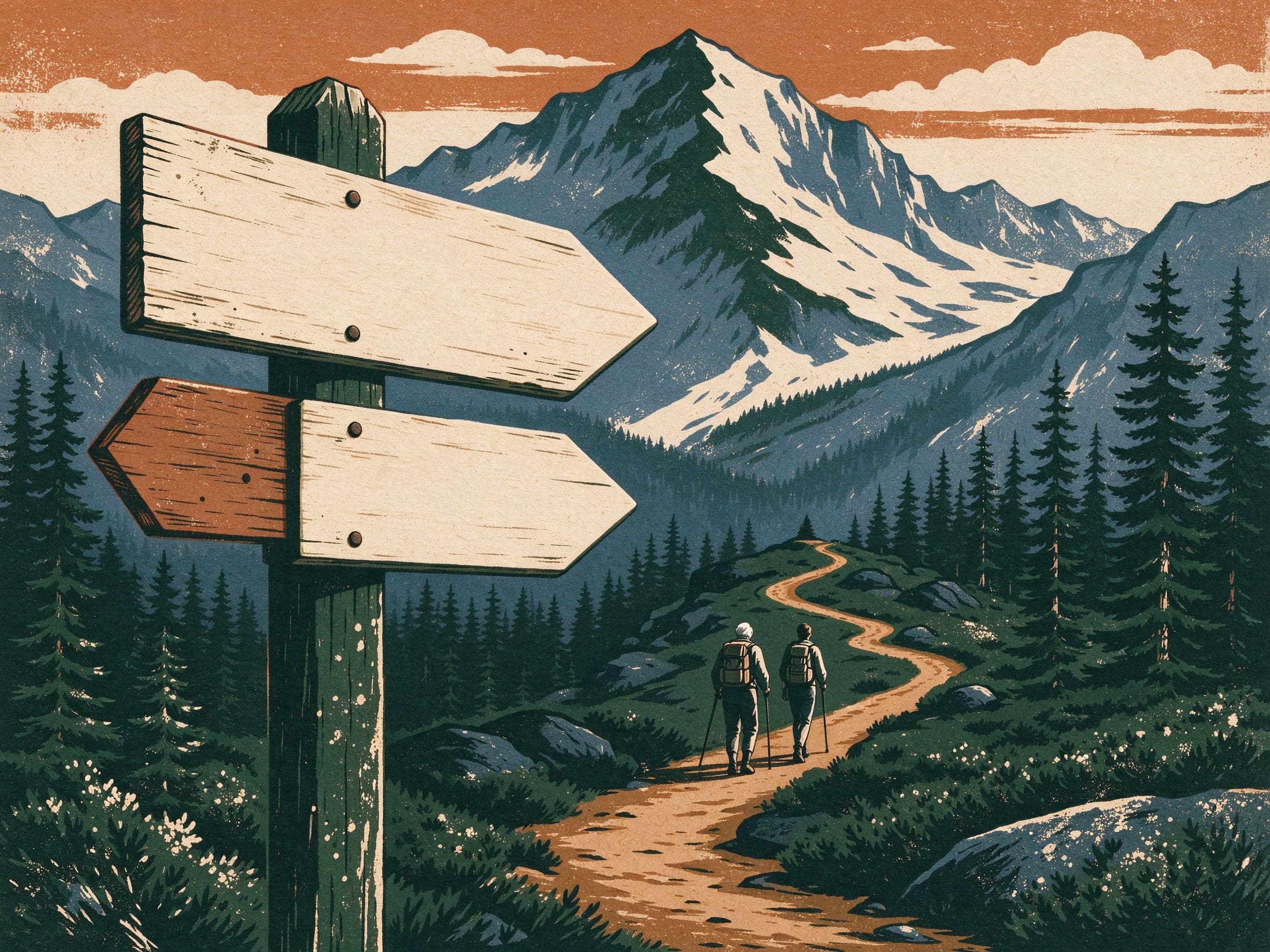
Walk it together.
Invite your partner to your household. You each have your own login. You both see the same debts, the same plan and the same date.
When one of you records a payment, the other sees it too.
Leave no trace.
You type in your balances and record your payments yourself. Your lender’s statement stays the record of what you owe.
- No bank connectionGo to Zero never links to your bank and never moves money. Payments still go through your lender.
- No account numbersA name like “Main Street mortgage” is enough.
- No Social Security numberWe do not ask for it, and you never need it here.
“When you retire, make sure you have zero debt.”
My dad told me this for years. As my wife and I came close to retirement, we made a plan to pay off our debt in three to five years. Every spreadsheet I found was too complex for what we needed.
So I built the simple version: a few kinds of debt, one shared plan, and one date to plan a life around.
Read our storyQuestions on the trail.
Is this only for people near retirement?
No. Retirement inspired Go to Zero, but you can use it any time you want a clear plan to pay off debt.
Which debts can I track?
Mortgages, home equity lines of credit (HELOCs), credit cards, auto loans, and personal loans.
Can I plan with my partner?
Yes. Invite your partner to your household. You each have your own login, and you work with the same debts and the same plan.
Does Go to Zero connect to my bank or make payments?
No. You enter your debt details and record payments yourself. Continue to make all payments through your lender.
Is my debt-free date guaranteed?
No. It is an estimate based on the balances, rates, and payments in your plan. Update your details when they change. Your lender’s statement remains the record of what you owe.
Start your own trail.
Add your debts. See the month you reach zero. Then walk it, one payment at a time.
Get startedAlready have an account? Log in